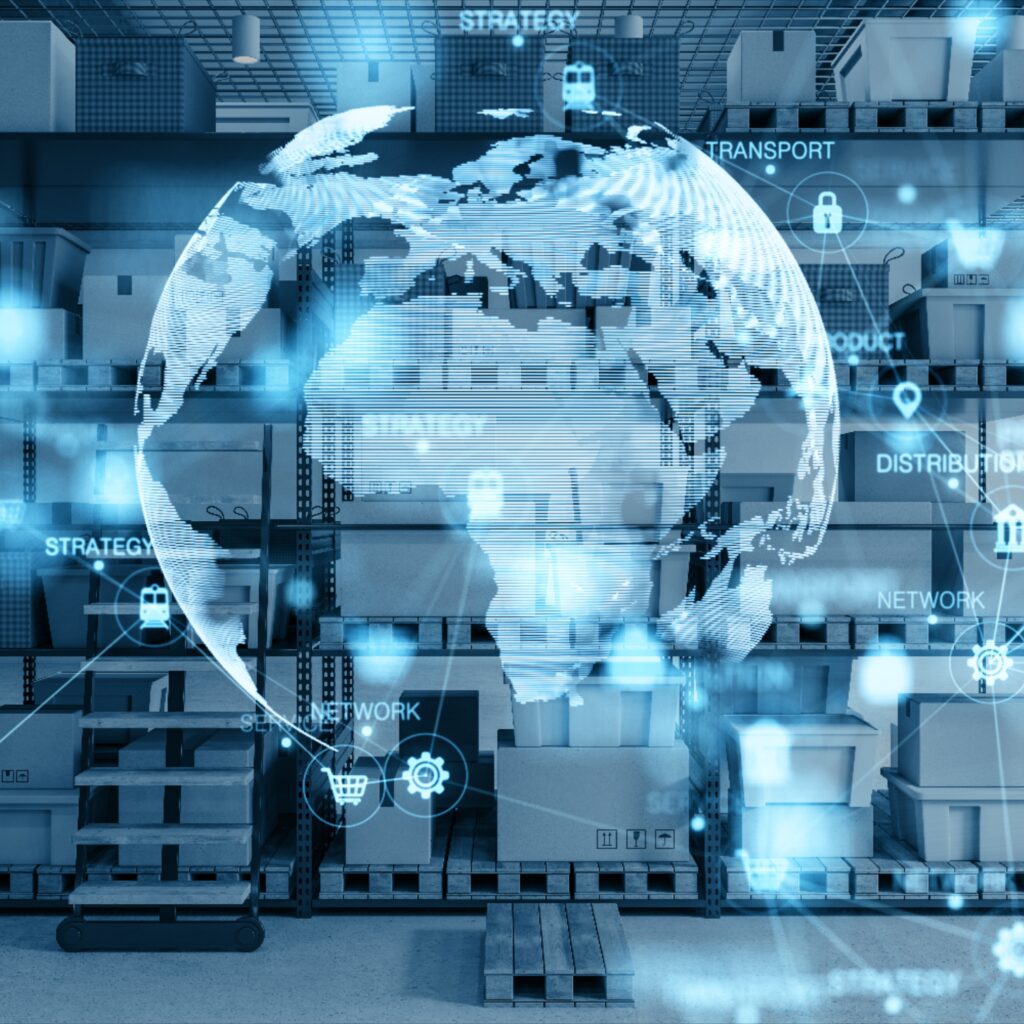
Global supply chain resilience helps businesses adapt to changing conditions through flexible road transportation and intermodal logistics solutions.
Flexibility and Resilience in the Global Supply Chain: The Key to a New Era
Global developments in recent years have clearly shown how sensitive and vulnerable supply chains can be. The pandemic, regional crises and commercial fluctuations have revealed how critical flexibility and resilience are in logistics processes.
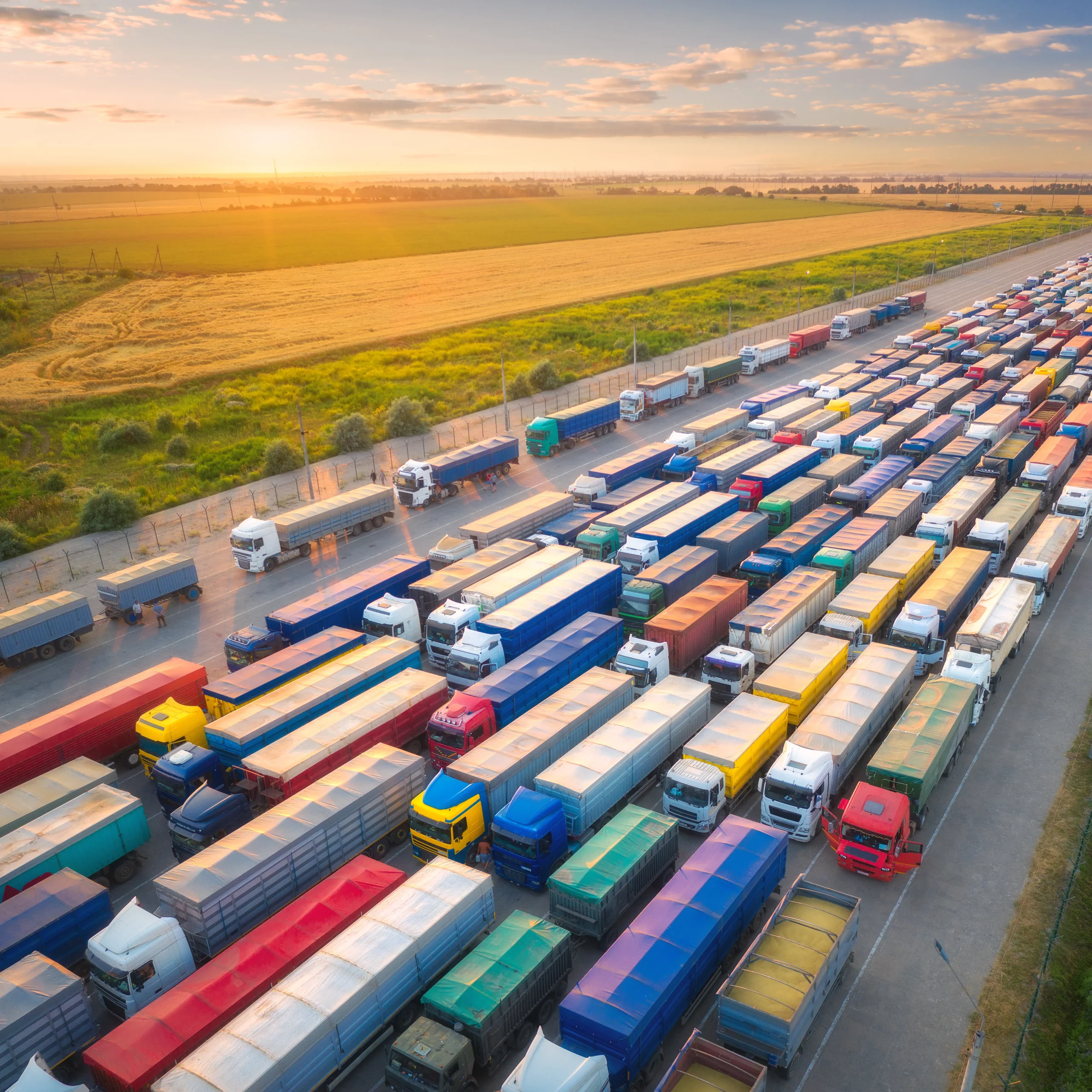
While traditional logistics models were built on fixed plans, today’s world requires systems that can quickly adapt to changing conditions and produce alternative solutions. At this point, road transportation provides an important advantage thanks to its ability to take fast action and change routes when needed.
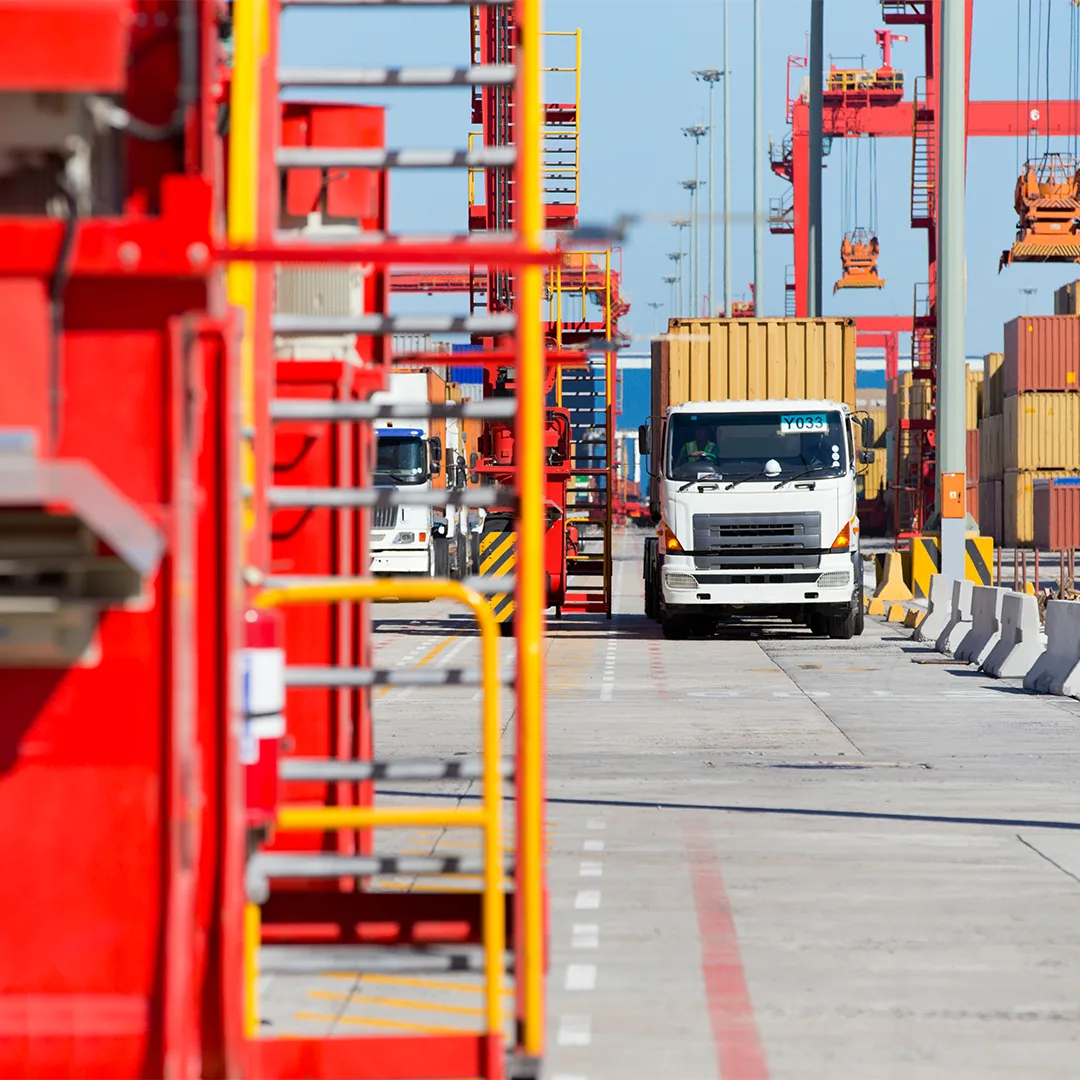
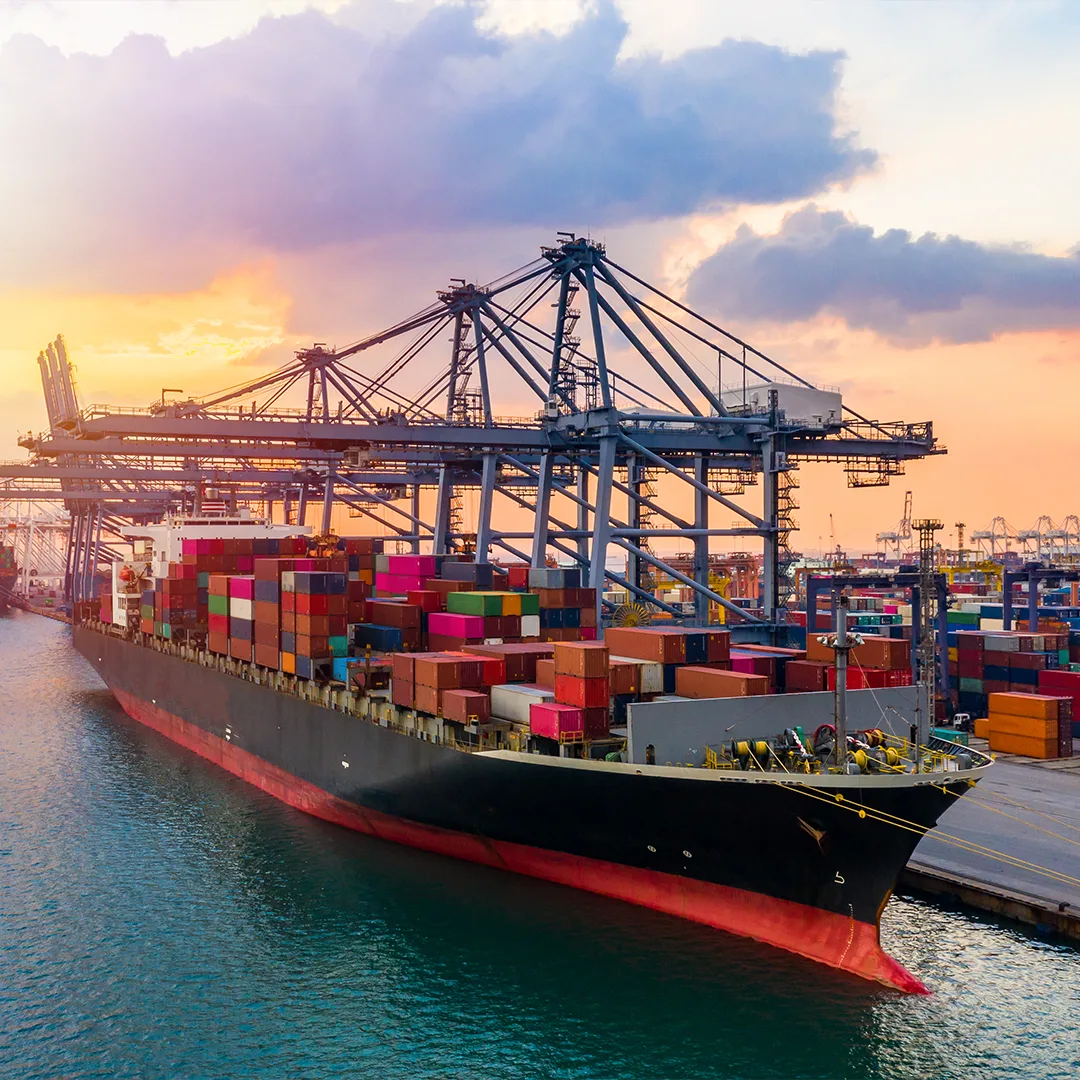
A flexible supply chain becomes possible through alternative routes, multimodal transportation solutions and strong operations management. Intermodal transportation offers a safer operational process by distributing risks through the integrated use of different transportation modes. At the same time, strong business partnerships and a wide service network help produce fast solutions against potential disruptions.
As PLA Group, we provide our customers with uninterrupted logistics solutions through our strong infrastructure and experienced team, capable of adapting to changing global conditions. By integrating our expertise in road transportation with other transportation modes, we build more resilient and sustainable supply chains.
Frequently Asked Questions
1. What does supply chain resilience mean?
Supply chain resilience refers to the ability of a supply chain to continue operating effectively despite disruptions such as crises, delays, market changes or unexpected logistical challenges.
2. Why is flexibility important in global logistics?
Flexibility is important because global logistics operations may be affected by border delays, regional crises, demand changes or transportation disruptions. Flexible logistics planning allows companies to respond quickly and maintain continuity.
3. How does road transportation support supply chain flexibility?
Road transportation supports flexibility by enabling faster route changes, direct delivery options and quick operational adjustments. This makes it especially valuable when alternative solutions are needed.
4. How does intermodal transportation improve resilience?
Intermodal transportation improves resilience by combining different modes such as road, sea, rail or air freight. If one transportation mode faces disruption, alternative routes or methods can be used to keep the supply chain moving.
5. How does PLA Group help build resilient supply chains?
PLA Group supports resilient supply chains through strong road transportation capabilities, integrated logistics solutions, experienced operations management and a flexible service network that adapts to changing global conditions.