Intermodal transportation combines road, sea and air freight to deliver cost efficiency, speed and reliability in logistics operations.
Efficient Logistics with Intermodal Transportation: Solutions That Combine Road, Sea and Air Freight
In today’s world of trade, logistics processes are no longer limited to transporting products from one point to another. For businesses, speed, cost advantage, security and sustainability have all become equally important. At this point, intermodal transportation offers more efficient logistics solutions by combining different modes of transportation under a single plan.
Intermodal transportation is a modern logistics approach in which different transportation methods such as road, sea and air freight are used together, allowing cargo to be transported as seamlessly and controllably as possible.
What Is Intermodal Transportation?
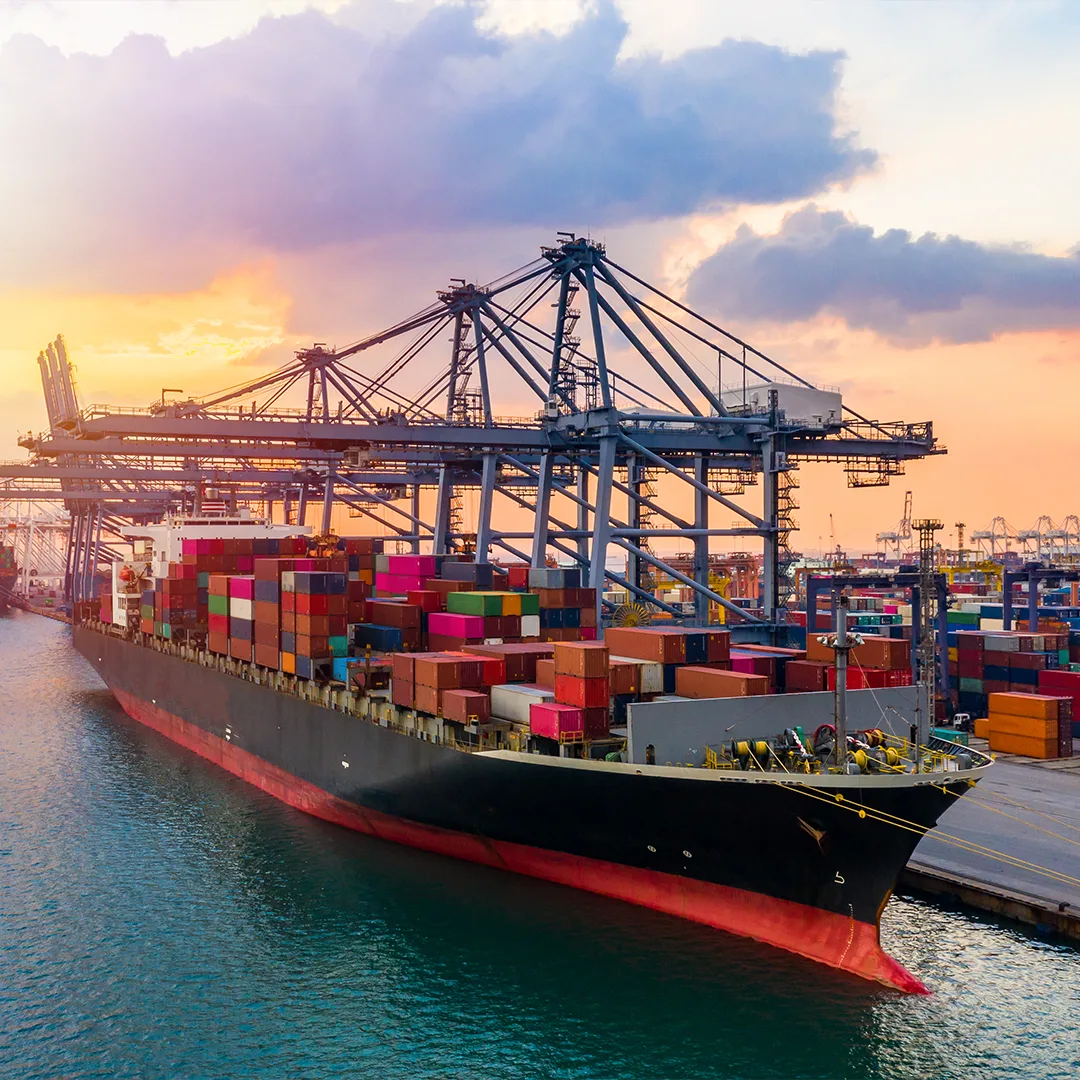
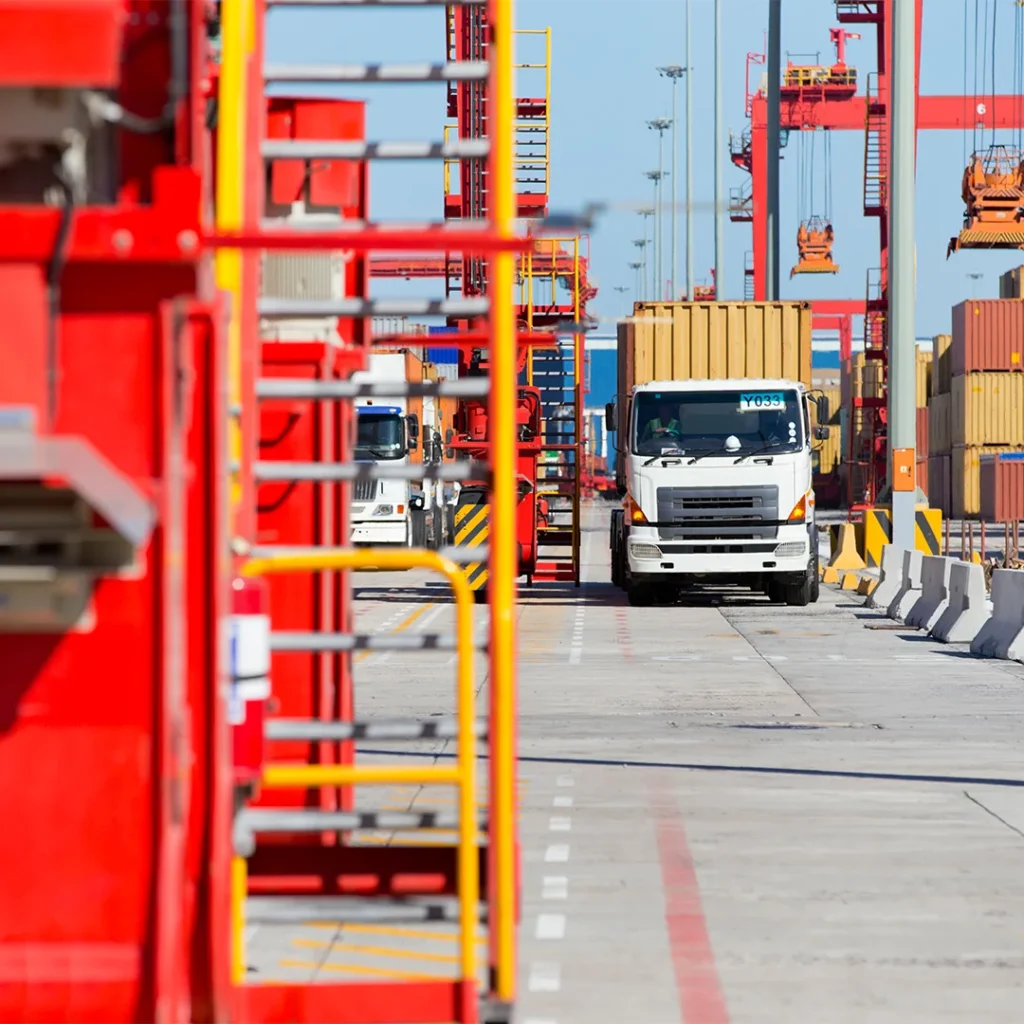
Intermodal transportation means shipping cargo by using more than one mode of transportation. For example, a product may first be transported by road to a port, then shipped by sea to another country, and finally delivered by road to its destination.
The purpose of this system is to make the best use of the advantages offered by each transportation mode. Road transportation provides flexibility, sea freight offers cost advantages for large-volume cargo, and air freight provides a fast solution for time-sensitive shipments.
Why Is It Important for Businesses?
Intermodal transportation provides significant advantages, especially for businesses engaged in international trade. Instead of depending on a single transportation method, the most suitable route and transportation model can be determined according to the needs of the cargo.
With this approach, businesses can plan logistics operations more flexibly, optimize transportation costs, manage delivery times more effectively and achieve a more controlled process in operations between different countries.
Integrated Use of Road, Sea and Air Transportation
Each transportation method has its own advantage. Road transportation is strong in terms of door-to-door delivery. Sea freight offers economical solutions for large-volume and heavy cargo. Air freight provides a speed advantage for urgent and valuable shipments.
In intermodal transportation, these three areas are brought together within a single logistics plan. As a result, businesses build a stronger structure in terms of both cost efficiency and operational performance.
Advantages of Intermodal Transportation
One of the most important advantages of intermodal transportation is cost control. While more economical transportation models such as sea freight are preferred for long distances, road transportation is used for final delivery to provide flexibility.
This system also increases continuity in the supply chain. If delays or congestion occur in one transportation mode, alternative planning can be implemented. This strengthens risk management, especially in global trade.
Integrated Logistics Solutions with PLA Group
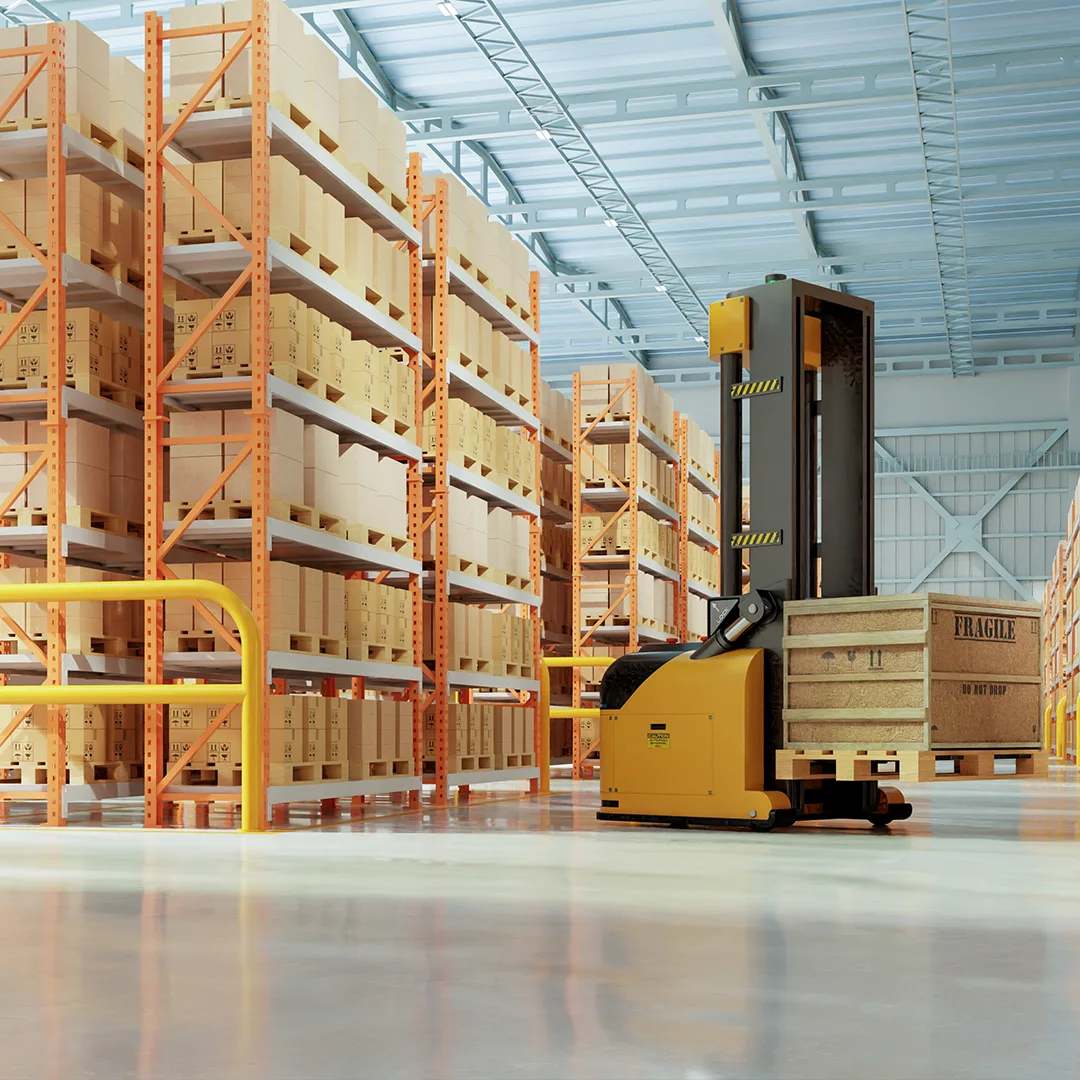
PLA Group provides businesses with integrated logistics solutions by offering road transportation, sea freight, air freight, customs clearance and warehousing services under one roof. In intermodal transportation processes, PLA Group delivers professional solutions for companies’ logistics needs through accurate planning, reliable operations management and a commitment to timely delivery.
Conclusion
Intermodal transportation is one of the most effective solutions in the modern logistics world. By bringing different transportation methods together, it provides businesses with both cost advantages and operational flexibility. Properly planned intermodal logistics processes are an important factor that increases competitiveness in international trade.