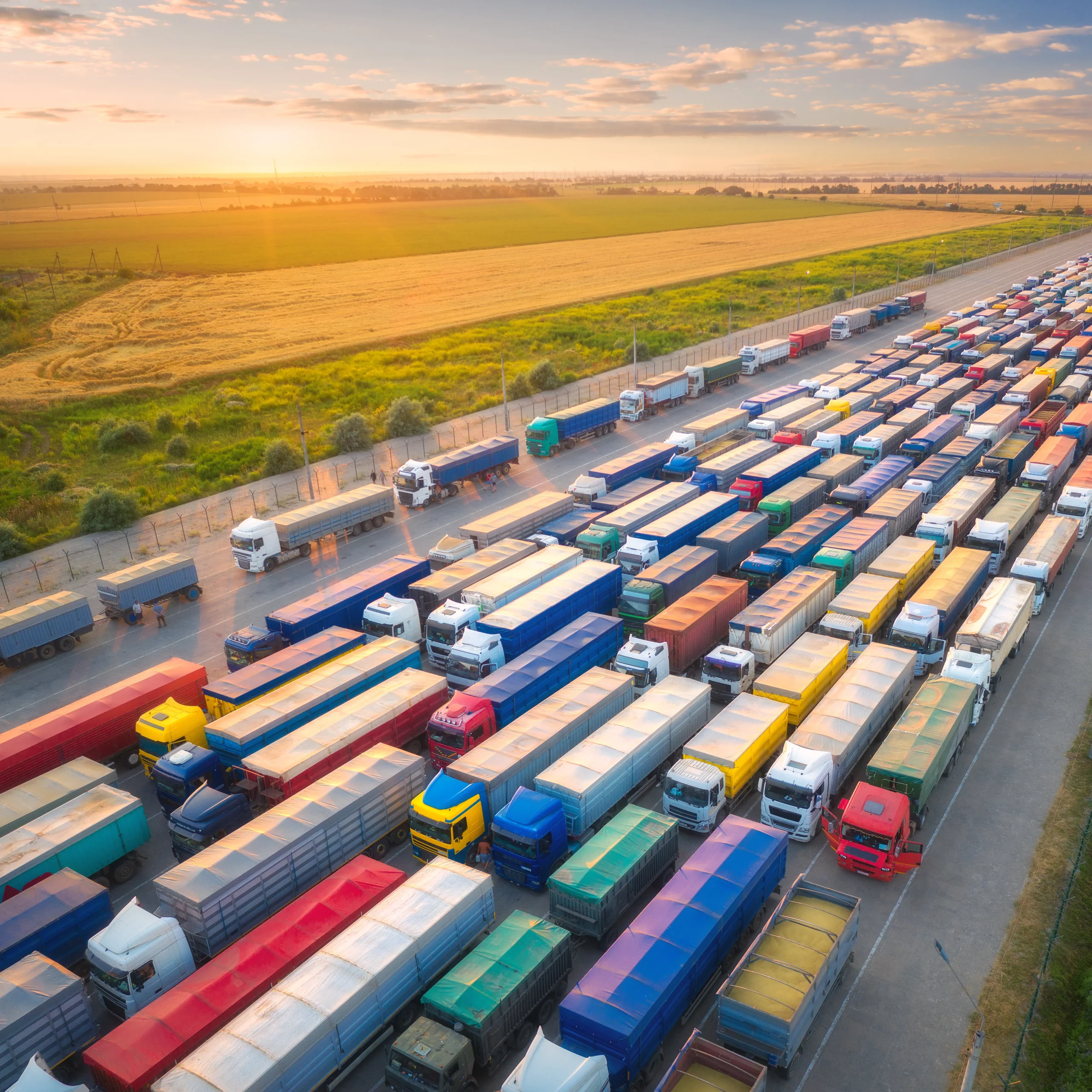
Sustainable logistics reduces environmental impact with route optimization, efficient fleet use and intermodal transportation solutions.
Sustainable Logistics: A Transportation Approach That Protects the Future
With the growth of global trade, the environmental impact of the logistics industry has become more visible. In this direction, sustainability is no longer a preference; it has become a necessity for the future of the sector. Companies are looking for ways to make their operations more environmentally friendly while also optimizing their costs.
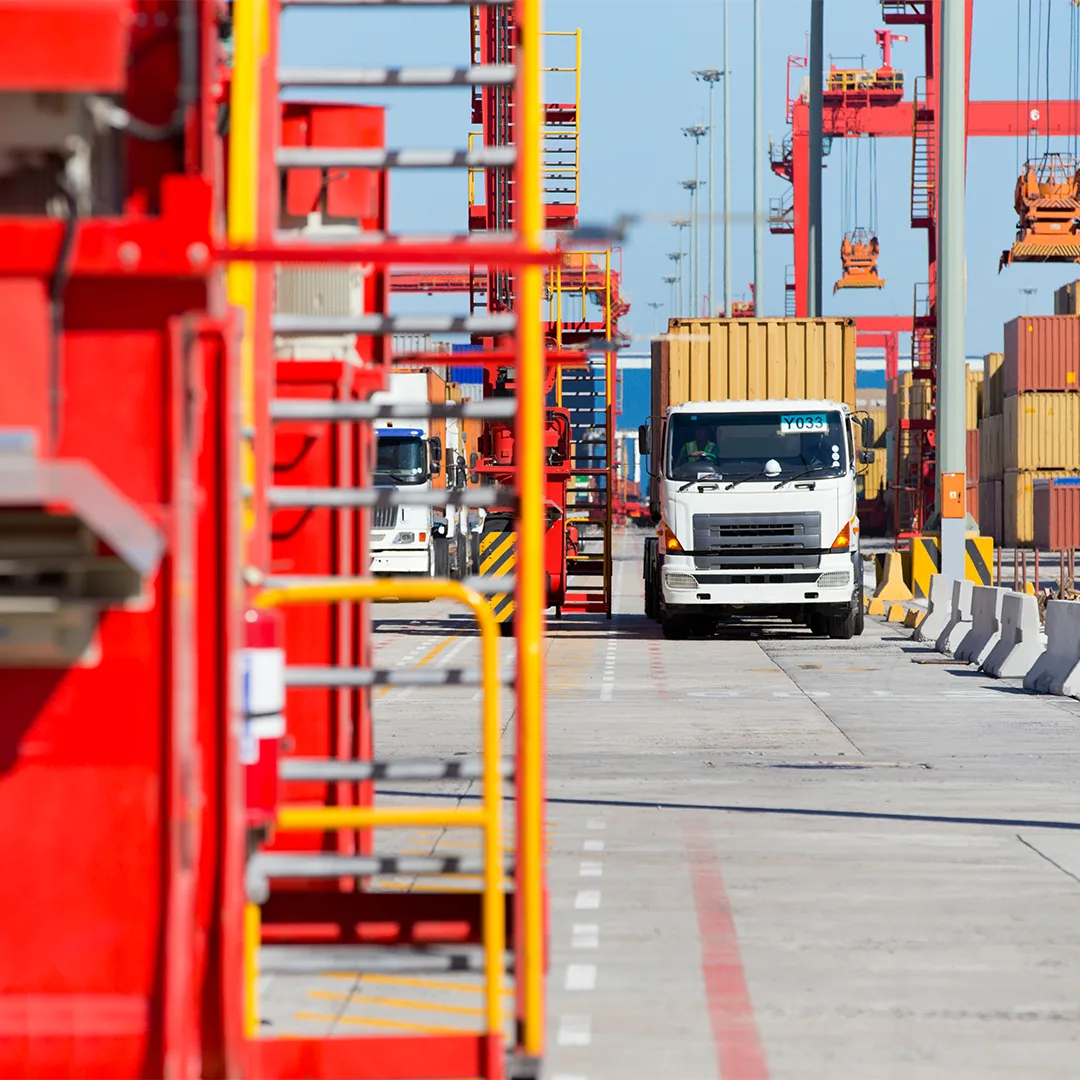
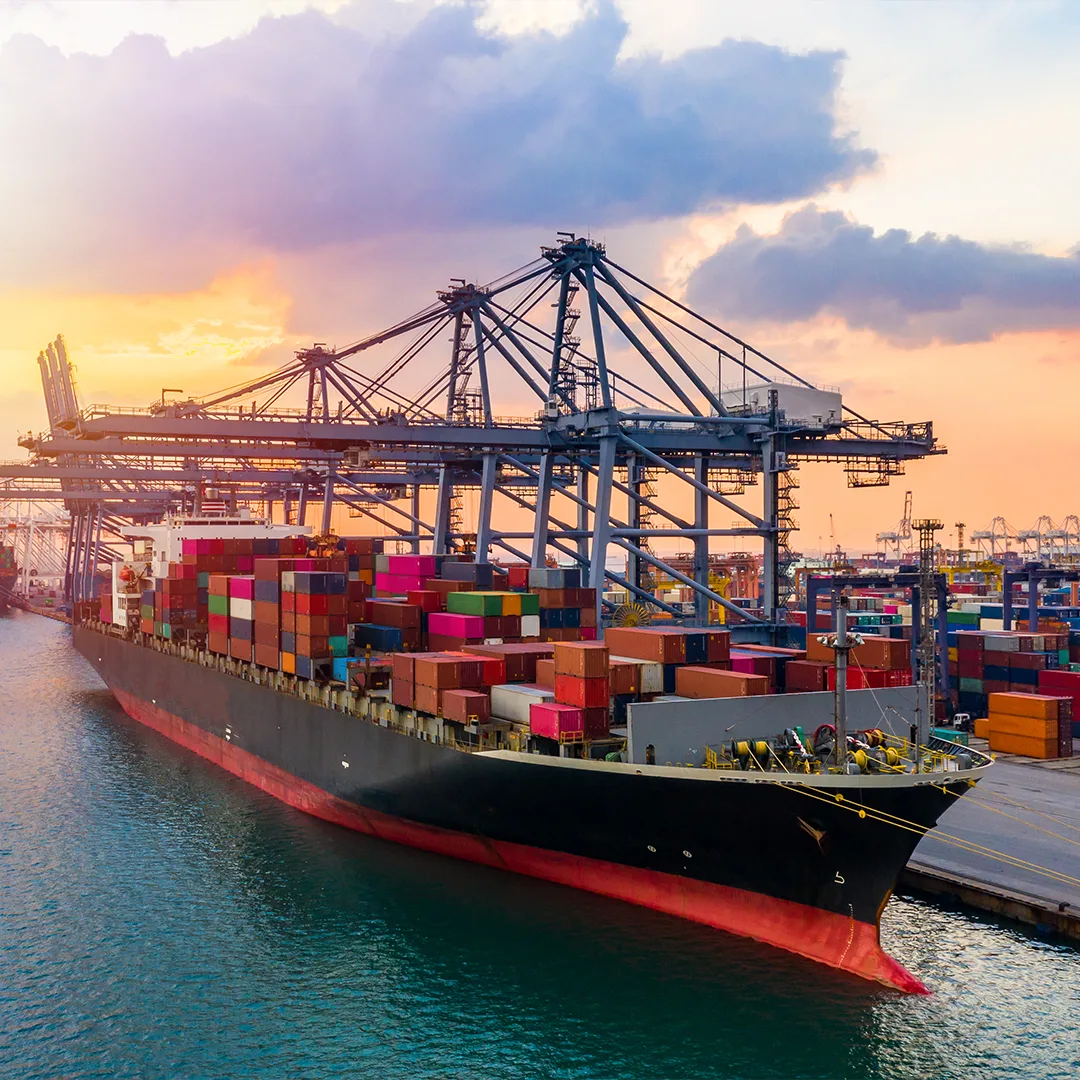
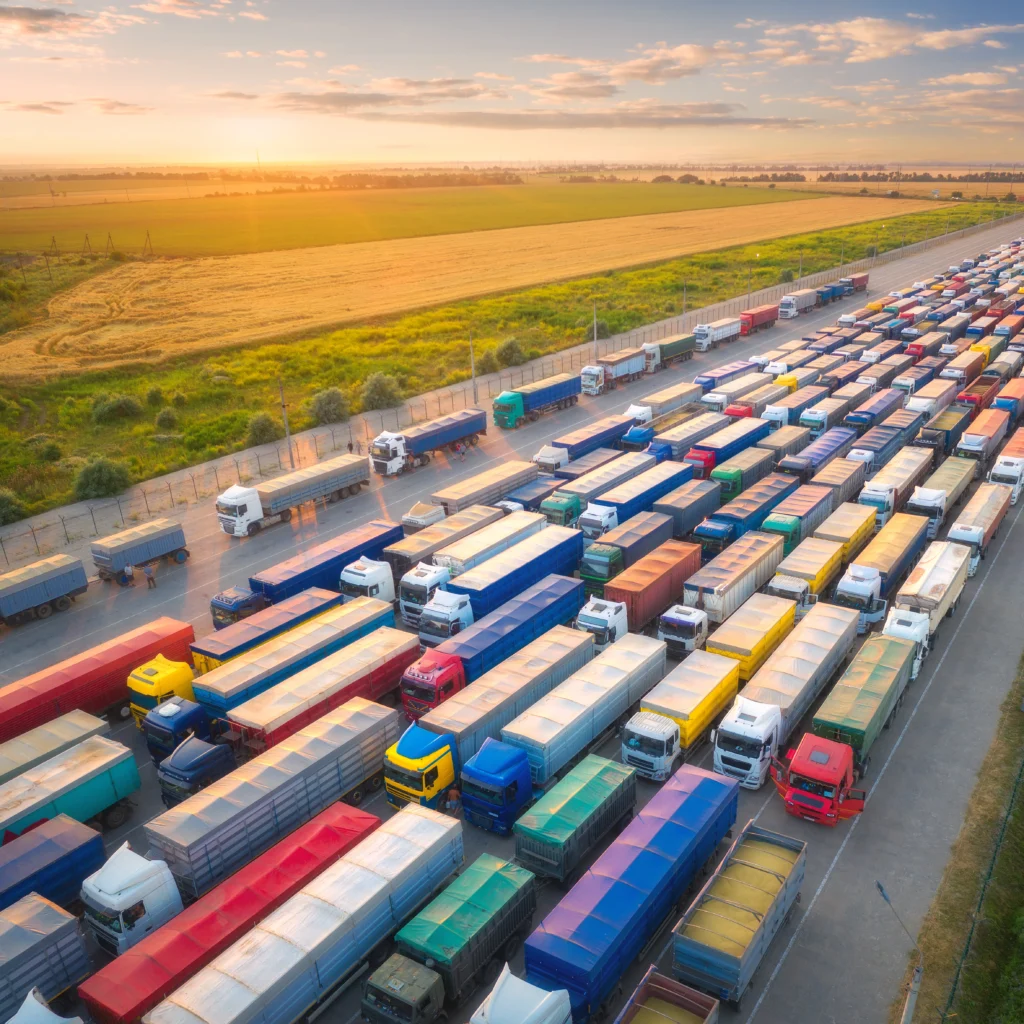
Especially in road transportation, fuel consumption and carbon emissions are among the most critical issues in terms of sustainability. At this point, route optimization, efficient fleet utilization and intermodal transportation solutions play an important role in reducing environmental impact. Supporting a shipment that starts by road with rail or sea transportation helps reduce the carbon footprint while also providing long-term cost advantages.
A sustainable logistics approach also increases operational efficiency. Better-planned shipments mean lower fuel consumption and fewer resources used. This creates long-term benefits for both the environment and businesses.
As PLA Group, we place sustainability at the center of all our operations. By supporting our strong road transportation structure with intermodal solutions, we provide logistics services that are both environmentally responsible and efficient. While building the logistics of the future today, we also prioritize our environmental responsibility.
Frequently Asked Questions
1. What is sustainable logistics?
Sustainable logistics is a logistics approach that aims to reduce environmental impact while improving operational efficiency. It focuses on smarter planning, lower fuel consumption, reduced carbon emissions and more efficient use of transportation resources.
2. Why is sustainability important in logistics?
Sustainability is important in logistics because transportation operations can create significant fuel consumption and carbon emissions. Sustainable logistics helps companies reduce environmental impact, control costs and build more responsible supply chains.
3. How does route optimization support sustainable logistics?
Route optimization helps determine more efficient transportation routes by reducing unnecessary distance, waiting times and fuel consumption. This contributes to lower emissions and more cost-effective logistics operations.
4. What is the role of intermodal transportation in sustainability?
Intermodal transportation combines different modes such as road, sea and rail to create more efficient logistics solutions. Using sea or rail transportation for long distances can reduce the carbon footprint and improve cost efficiency.
5. How does PLA Group approach sustainable logistics?
PLA Group places sustainability at the center of its logistics operations. By combining its strong road transportation structure with intermodal solutions, PLA Group provides environmentally conscious, efficient and future-focused logistics services.